
Interview about the national implementation and context of the PPWR
The EU Packaging and Packaging Waste Regulation (PPWR) will bring about far-reaching changes for companies with obligations under packaging law. The PPWR aims to create a harmonised legal framework that facilitates a level playing field within the European internal market. To implement the PPWR in Germany, the currently applicable Packaging Act (Verpackungsgesetz – VerpackG) will be replaced by the Packaging Law Implementation Act (Verpackungsrecht-Durchführungsgesetz – VerpackDG).
The VerpackDG is currently being legislated. The responsibility lies with the Federal Ministry for the Environment, Climate Action, Nature Conservation and Nuclear Safety (BMUKN). The Ministry is creating the national legal framework necessary to implement the directly applicable European requirements in Germany.
In an interview with Dr Silke Karcher, Head of the Directorate for Circular Economy at the BMUKN, we clarify how Germany is fulfilling the new European requirements, which environmental policy objectives are guiding this process and how national leeway can be utilised. The focus is on how we can transition to a Europe-wide harmonised system without losing sight of tried-and-tested national structures within existing law. We are also interested in how lawmakers intend to transpose the many pending acts of secondary legislation into national law within a tight time frame.
Interview with Dr Silke Karcher, Head of the Directorate for Circular Economy at the BMUKN

The interview centres around how Germany is fulfilling the new European requirements, which environmental policy objectives are guiding this process and how national leeway can be utilised. The focus is on how we can transition to a Europe-wide harmonised system without losing sight of tried-and-tested national structures within existing law. The interview also looks at how lawmakers intend to transpose the many pending acts of secondary legislation into national law within a tight time frame.
Dr Karcher, the EU Packaging and Packaging Waste Regulation (PPWR) will apply in all Member States from August 2026. Some provisions are being left to the Member States. What will the BMUKN focus on and which environmental aspects are its priorities?
Dr Karcher: Our particular concern is to ensure the alignment of European regulations and German law. We want to avoid a situation where the PPWR applies, but national law has not yet been adapted. That is why we worked at full speed over the past year to prepare the first draft of the Packaging Law Implementation Act, which has now been published. We are focusing on provisions that must be applied from next August. Our goal is to make adjustments that align with the PPWR and enable established systems in Germany to continue to exist. An important environmental policy tool is the implementation of Article 51 (3) PPWR: creating an organisation to finance reduction and prevention actions. This will help reduce packaging waste by funding measures that strengthen reusable packaging and refilling.
The PPWR aims to harmonise packaging requirements to ensure a level playing field within the internal market. How can you balance creating uniform rules across Europe and preserving tried-and-tested national structures from the German Verpackungsgesetz?
Dr Karcher: Many aspects of harmonisation will come into force gradually, in particular those concerning packaging design, namely the use of recyclates, labelling or recyclability. At this stage, we are mainly harmonising terminology. In Germany, for instance, this means that in some cases different economic operators than before will have to assume the obligations of extended producer responsibility. That is a challenge, especially for the dual systems. Our aim is to make the transition as seamless as possible. The new terminology will certainly cause some friction. But after we have worked through that, the system should be able to continue as before.
In many areas, the PPWR relies on acts of secondary legislation, which must be transposed into national law within periods of between 18 and 24 months. How are national lawmakers supposed to do this?
Dr Karcher: It is something we will have to look at on a case-by-case basis. Some acts of secondary legislation may not require any changes to national law at all. In other cases, it will be necessary to work in parallel because 18 months is a tight time frame for drafting and enacting national provisions. This means that we will help shape the negotiations on secondary legislation in line with our interests and draft national implementing regulations at the same time. We are also relying on individual acts of secondary legislation entering into force simultaneously where possible so that only one national procedure is required. Our focus is on making the national requirements clear to those who need to fulfil them as early as possible.
One last, personal question: When you look at the years to come, what opportunities do you see for the circular economy coming from the implementation of the PPWR?
Dr Karcher: The PPWR provisions on reuse could be the starting point for the establishment of reuse systems across Europe. I hope that the German economy can contribute its expertise in this area to other Member States. Our reuse systems are unique within Europe.
I also expect that the PPWR design-for-recycling requirements will improve packaging circularity. Subordinate legal acts from the EU Commission are still pending in this area and we will also bring our experience from the German minimum standard into their negotiation.
Who is Dr Silke Karcher?
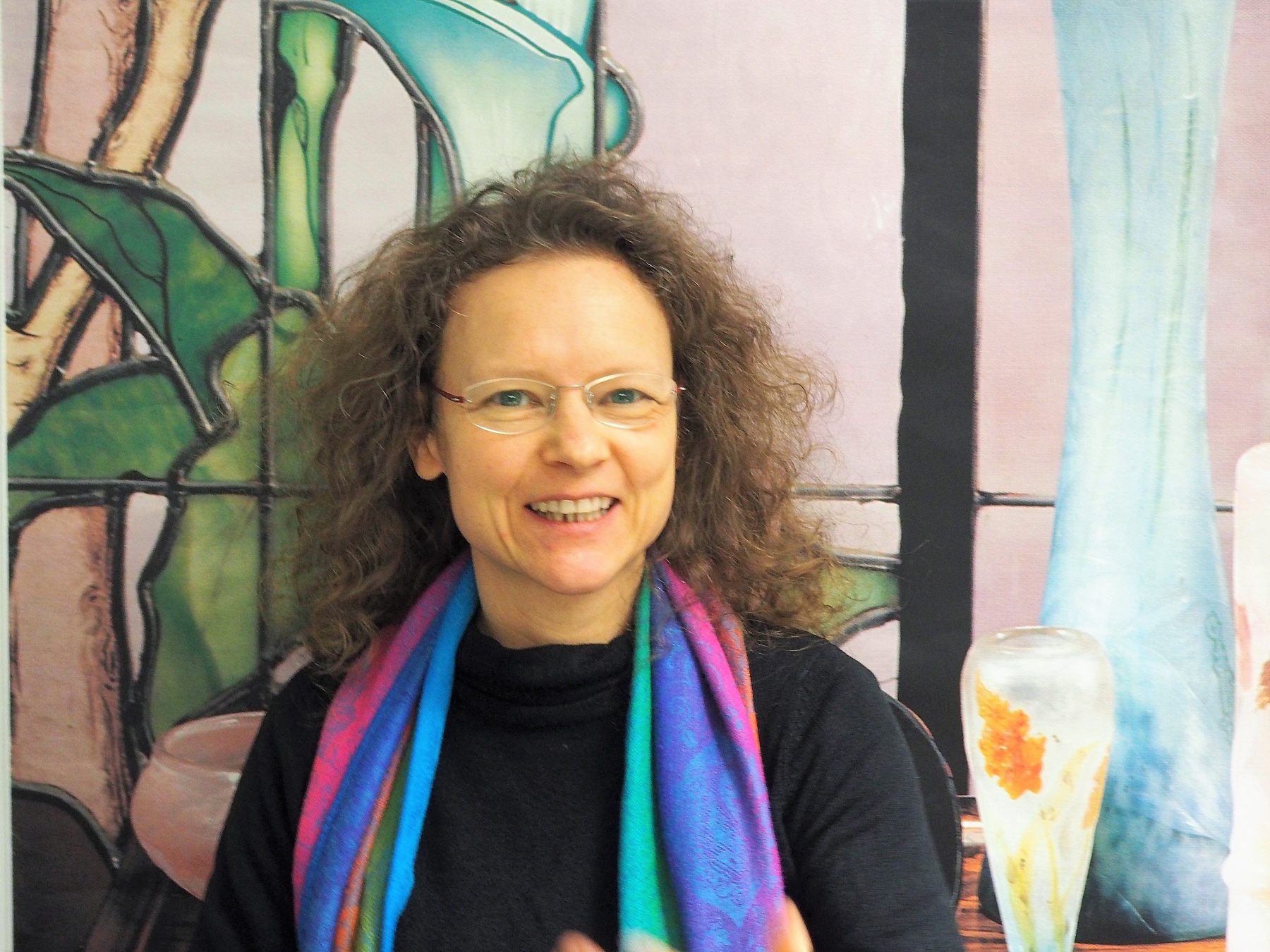
Dr Silke Karcher is Head of the Directorate for Circular Economy (Directorate C III) at the Federal Ministry for the Environment (BMUKN). She holds a doctorate in environmental engineering and served as State Secretary for the Environment in the Berlin state government from 2021 to 2023. From 2009 to 2021, she headed a division in the Federal Ministry for the Environment focusing on international energy and climate issues. From 2004 to 2007, she led a section at the German Environment Agency dealing with the mineral and metal industry as well as general resource conservation. She was involved in initiating programmes such as Germany's European Climate Initiative (EUKI) and the Nitric Acid Climate Action Group, which advocates for the reduction of greenhouse gas emissions in the nitric acid industry.